Gum treatment and grafts
Medically reviewed by Dr. Florin Cofar · last reviewed 17 October 2026

Healthy gums, a stable frame
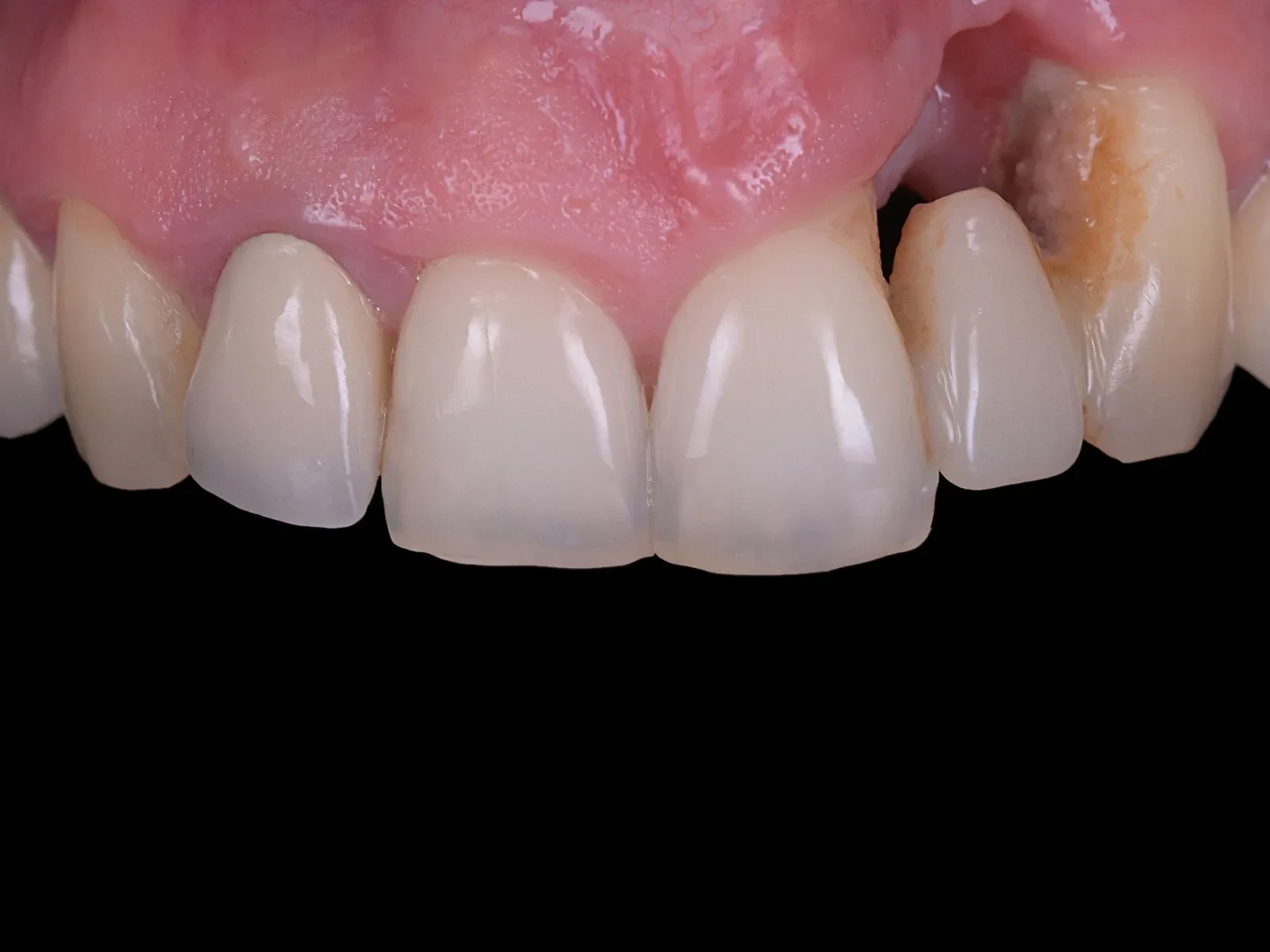
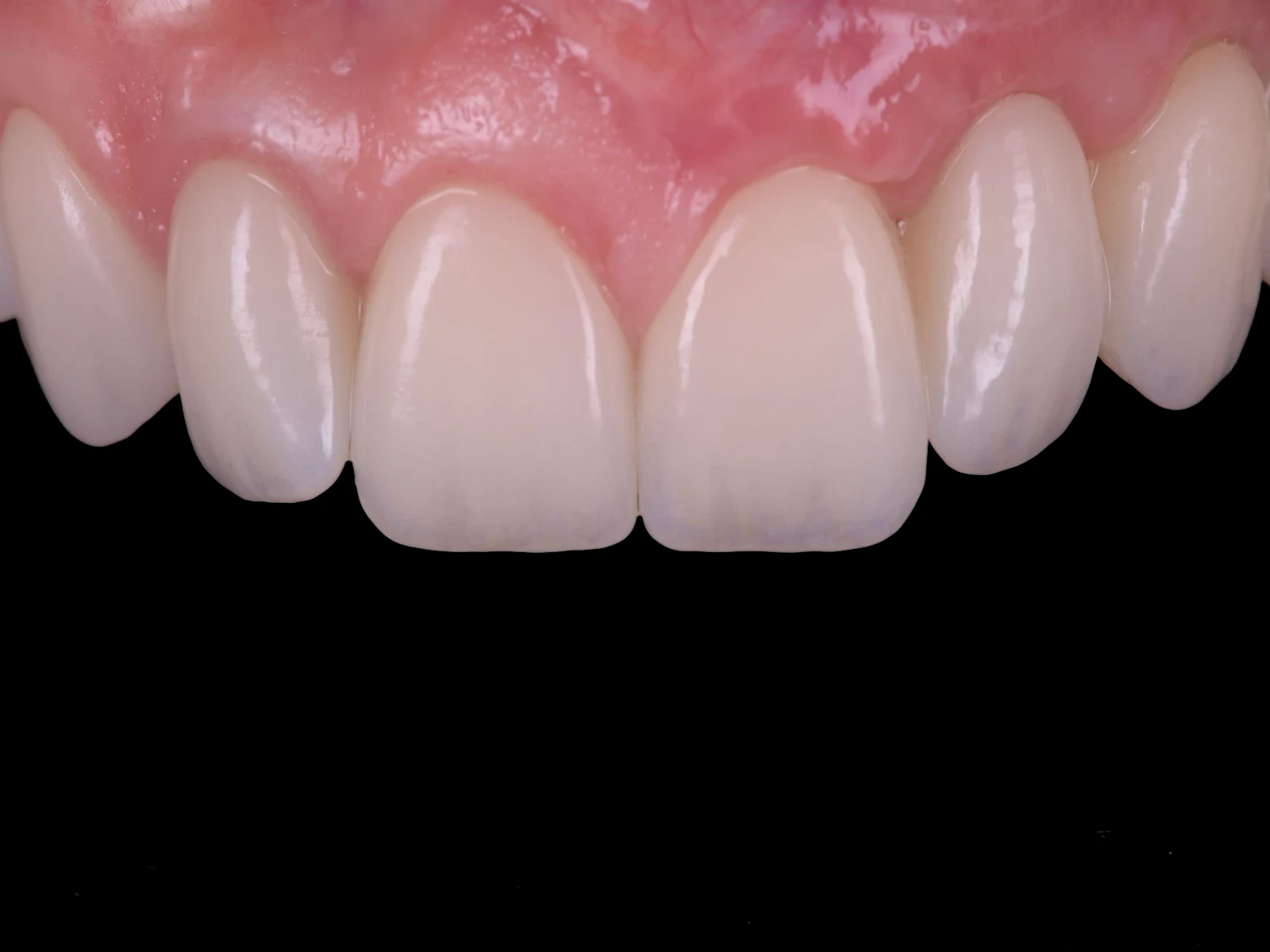
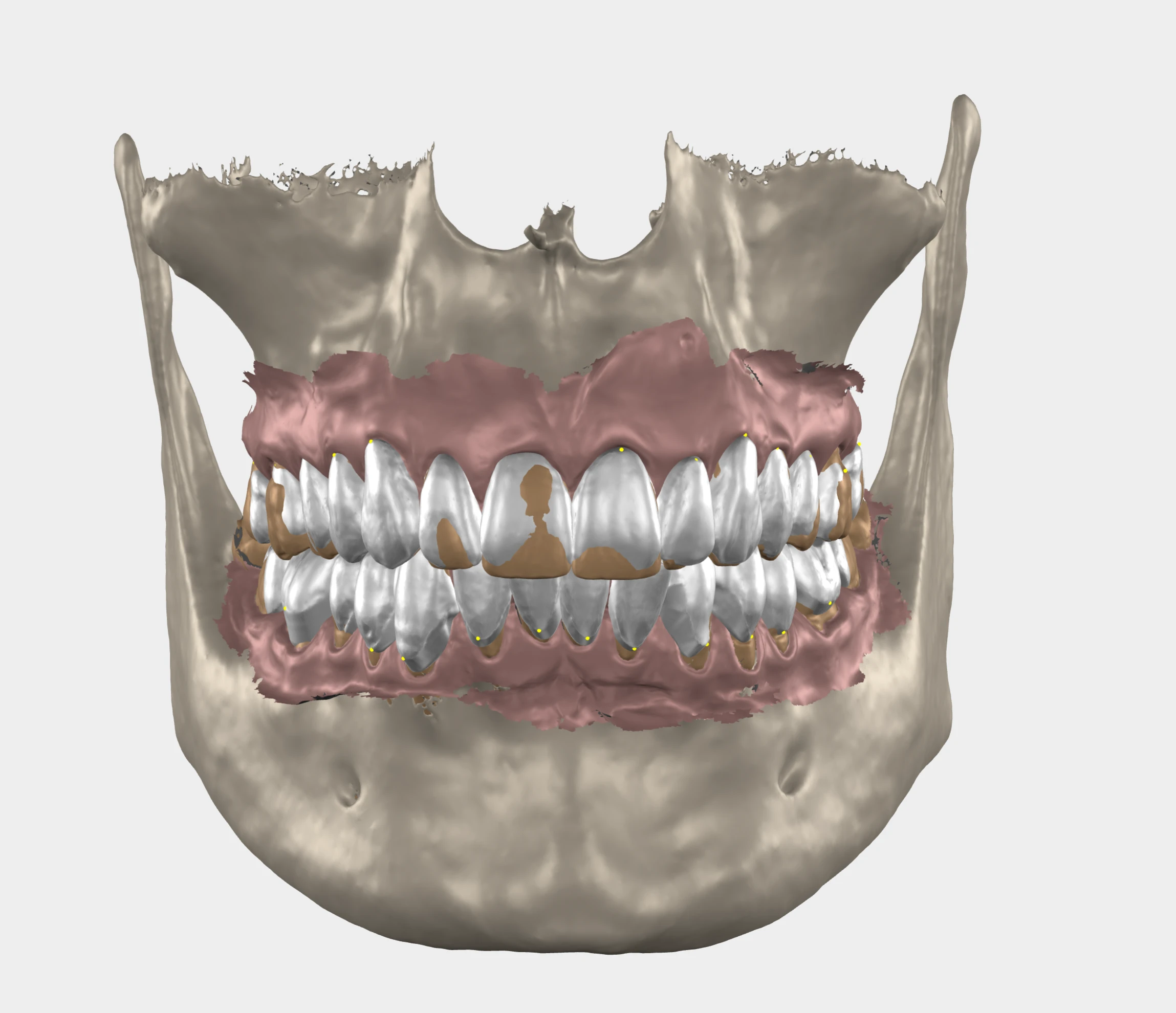
Gums and bone hold your teeth, and every crown, veneer or implant, in place. Gum care has two sides: treating gum disease, so the support stops being lost (periodontics), and rebuilding or reshaping the gum where it has receded or is too thin (plastic periodontal surgery). Health always comes first; the shape follows the final design of your smile.
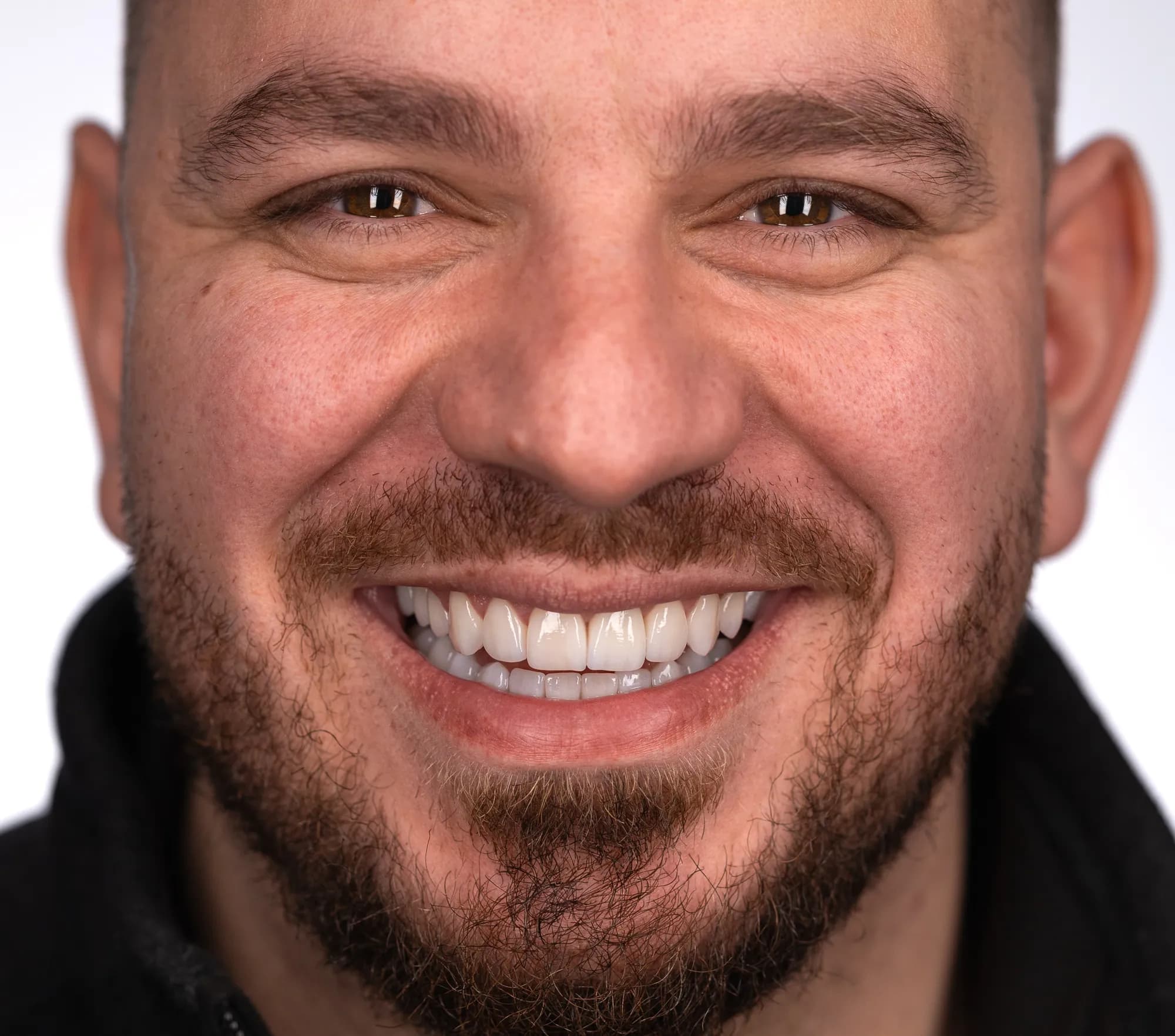
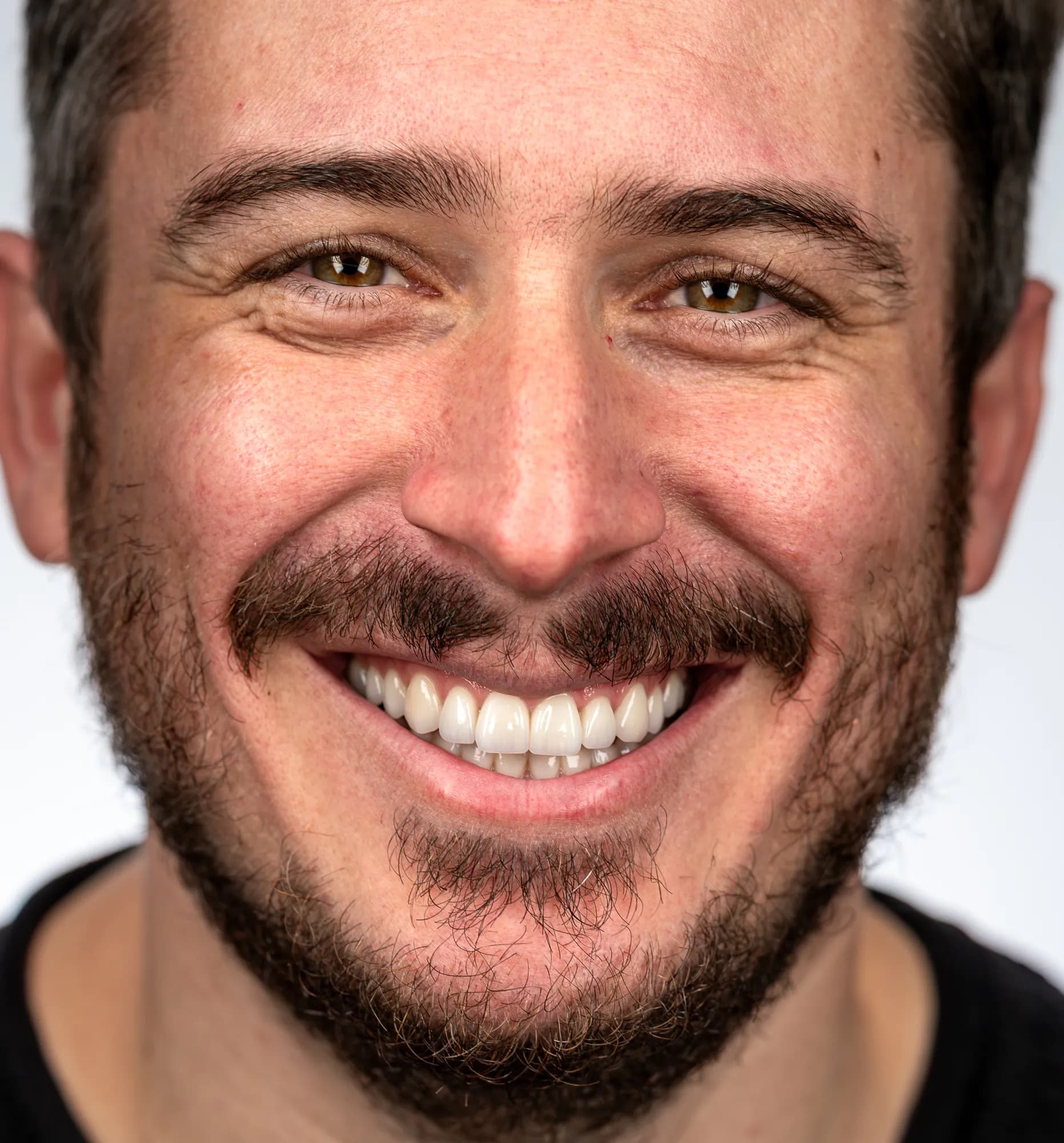
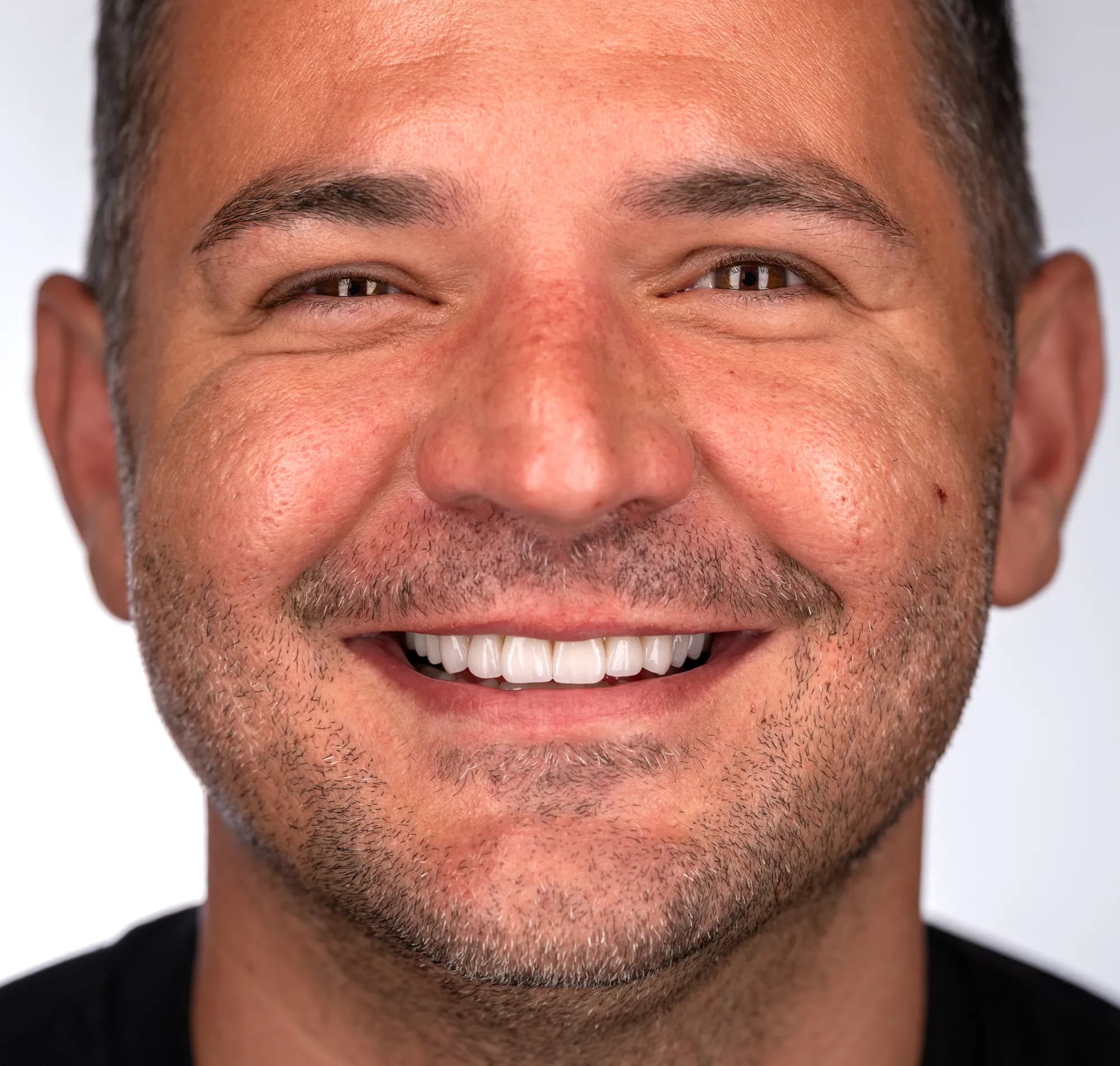
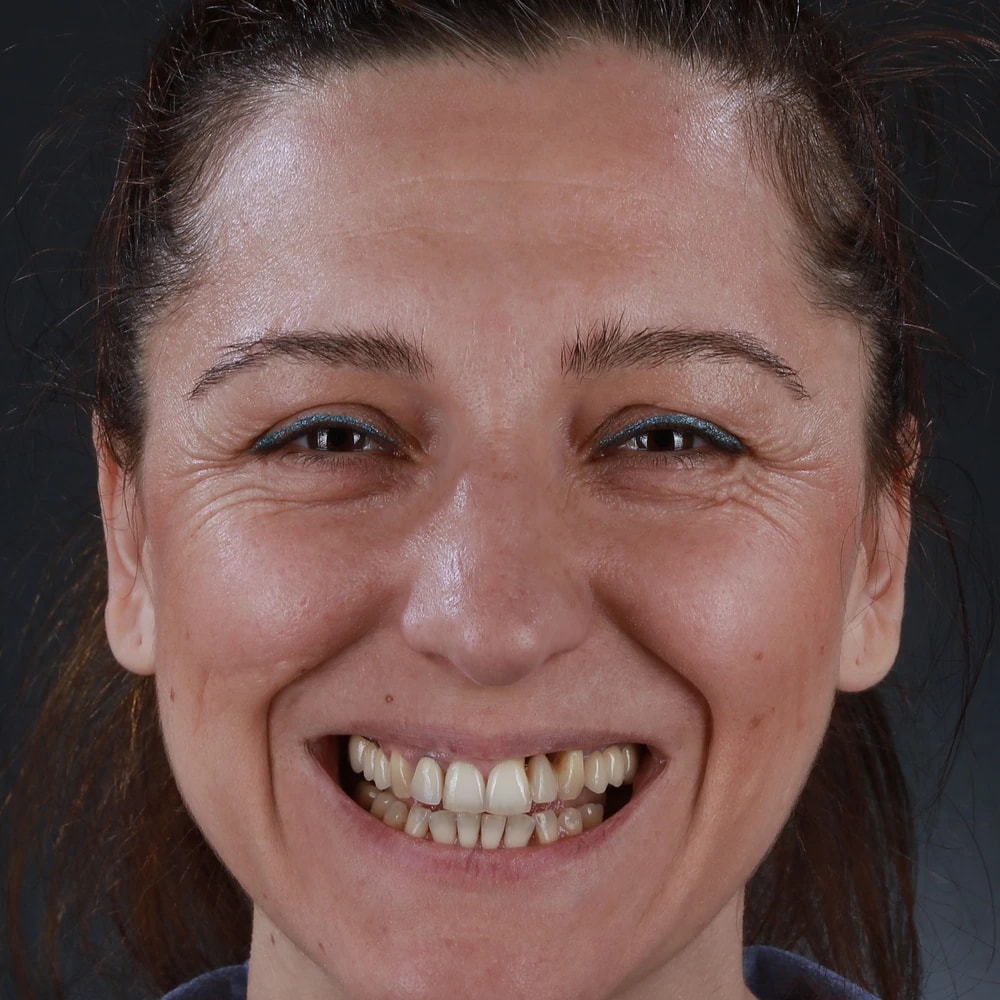
Cases on this page by Dr. Florin Cofar, Dr. Venceslav Stankov, Dr. Deniels Scrob, Dr. Ioan Barbur, Dr. Eric Van Dooren and DT Ioana Popp.
01
Diagnosis and mapping
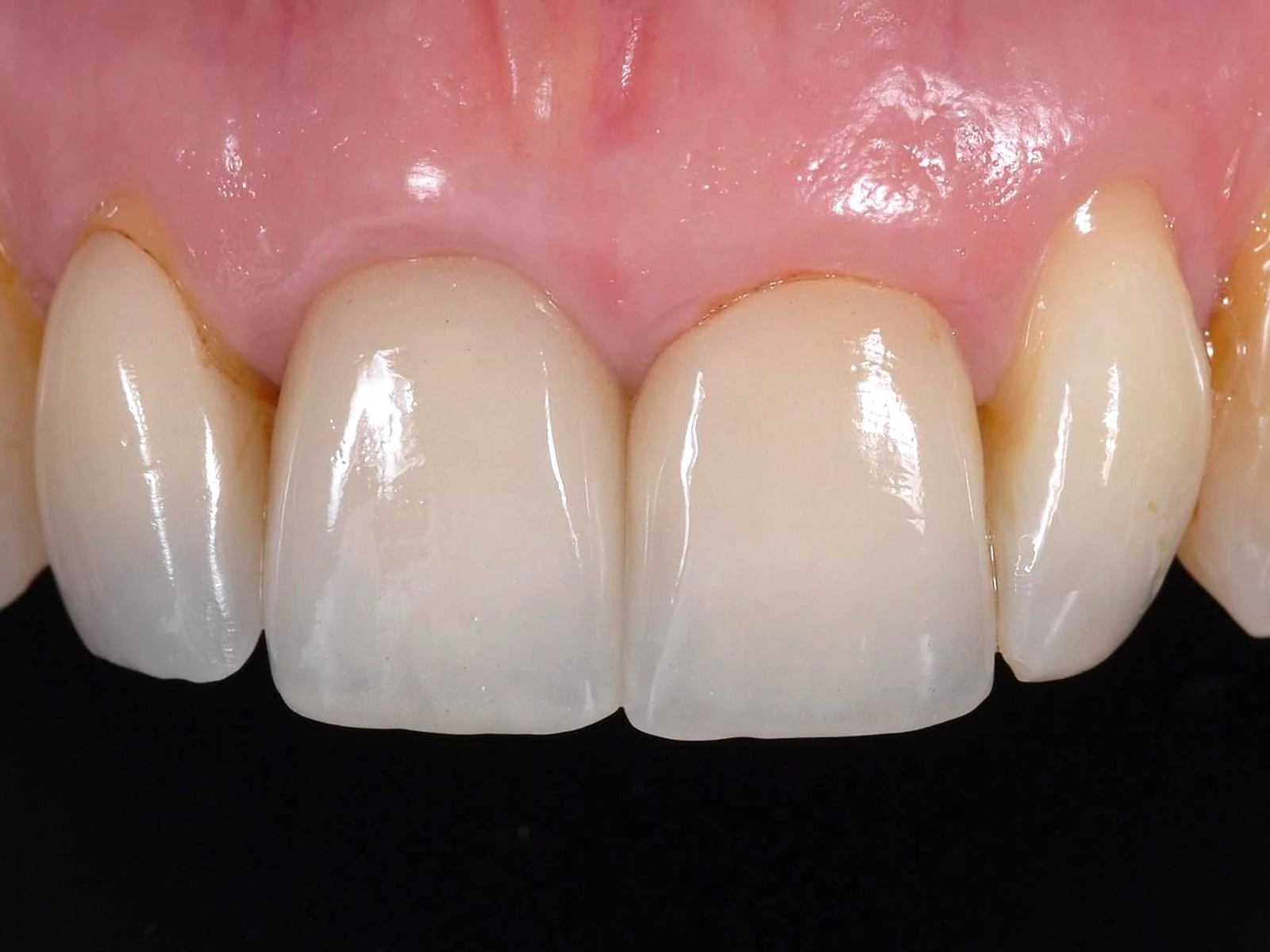
X-rays, 3D scans, photographs and digital probing measure pocket depth, bone loss, inflammation and how thin or receded the gum is. That shows how far the disease has gone and gives a baseline to compare against at every check-up.
02
Disease treated first
If there is gum disease, it is treated first: cleaning below the gum, laser-assisted therapy or targeted antimicrobial treatment, without opening the gum where possible. No inflammation may be present when rebuilding starts. As it settles, teeth can feel sensitive or slightly looser for a while, and the gum can recede a little.
03
Rebuilding gum and bone
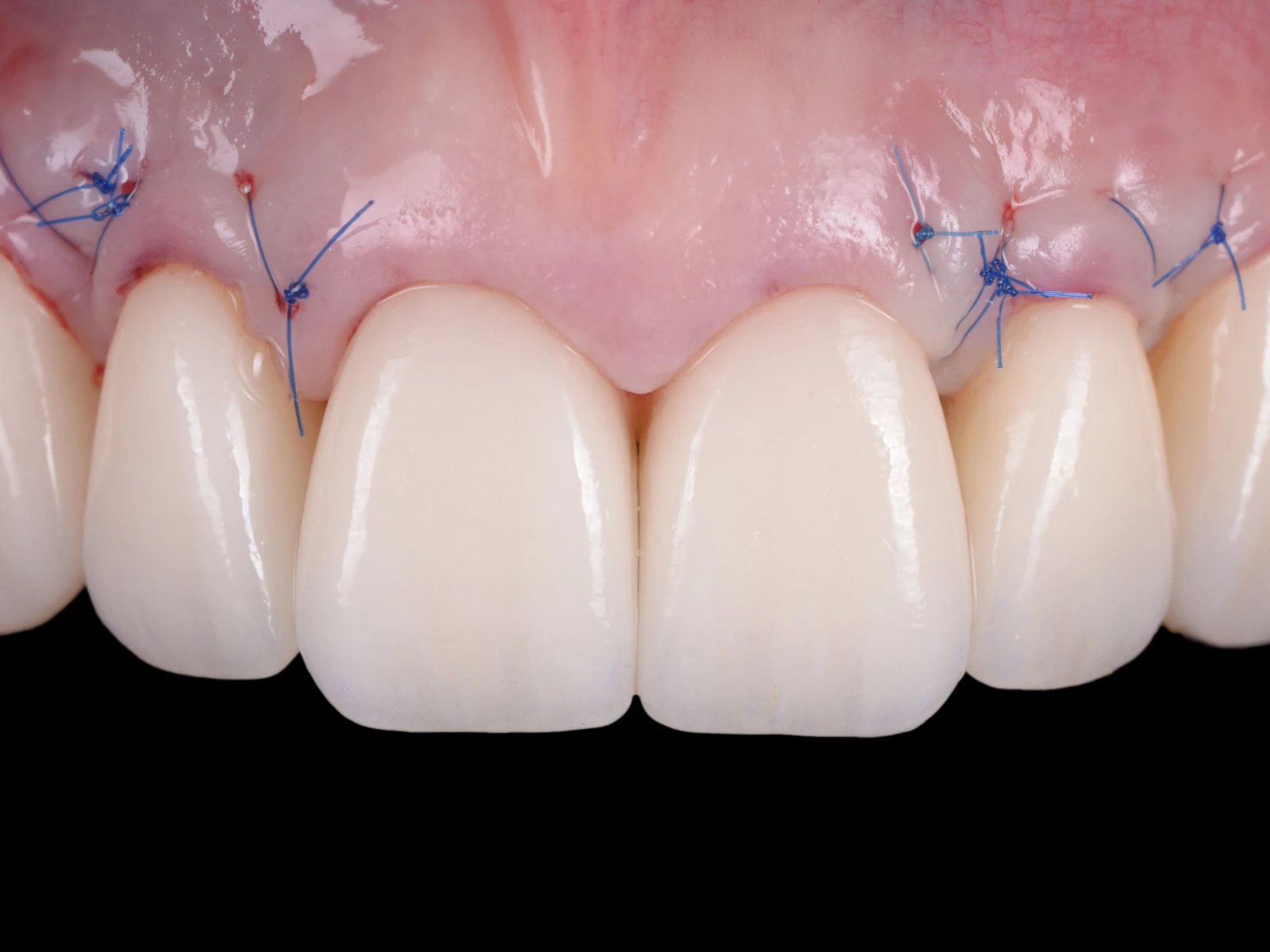
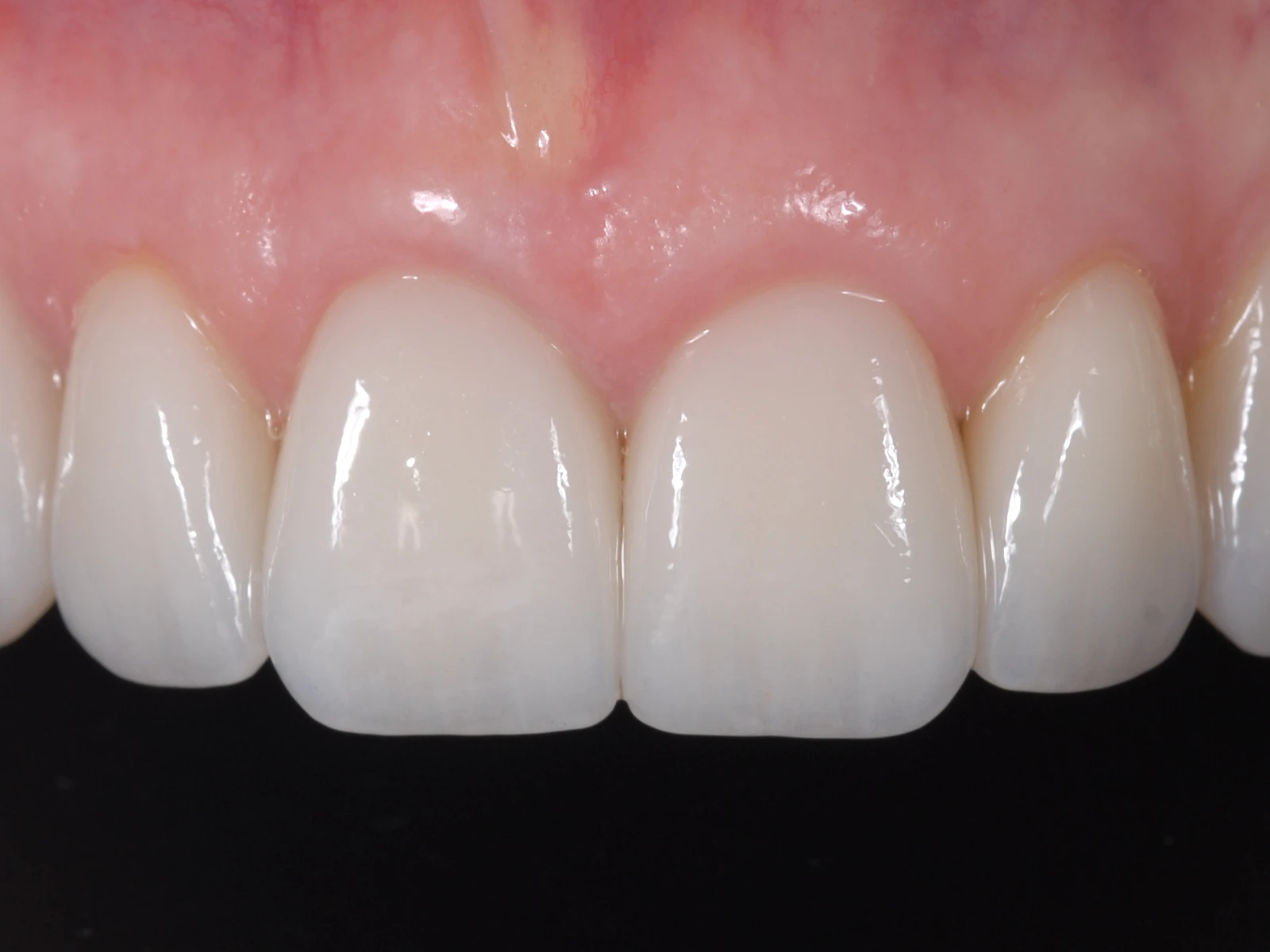
Where gum has receded or is too thin, we add tissue with a graft, from your palate or a biocompatible material, using microsurgical instruments and techniques that avoid cutting and lifting the gum. Prosthetics plays a major role: the shape of the new teeth tells the gum where to heal. Sometimes other disciplines help too, such as orthodontics, which can move teeth to solve larger gum defects.
04
Shaped by the final design
The shape and volume of the graft follow the design of the teeth, veneers, crowns or implants it will frame, so the gum heals into the contour they need, including the small points of gum between teeth (papillae). Where the plan allows, provisionals shaped like the final teeth guide that healing.
Larger defects, several tools
Larger gum and bone defects are rarely solved by one treatment. The design decides the combination and the order, and steps from different disciplines can often share a session, so you go through fewer healing periods.
Grafting
Adds gum where it has receded or is too thin, and rebuilds bone where it can be regenerated.
Orthodontic movement
Moving a tooth can bring gum and bone with it, closing a defect that surgery alone could not.
Prosthetic design
The shape of the new teeth supports the gum and guides how it heals, including the points of gum between teeth.
Implants
When a tooth cannot be kept, an implant is planned together with the graft, so gum and bone are rebuilt around it.
Maintenance
Critical in these cases: check-ups usually every 3–4 months and professional cleaning keep the result stable over the years.
Healthy gums, the foundation
Healthy gums are the foundation for your general health, for how your smile looks, for your quality of life and for how long your teeth and restorations last. Thicker, stable tissue lowers the risk of recession and of dark triangles between teeth, which is why gum health comes first in every plan.
Gum treatment and grafts: frequently asked questions
What is gum disease?+
An inflammation of the gums and the bone that supports the teeth. Untreated, it can lead to bleeding, receding gums, loose teeth and eventually tooth loss. Common signs are bleeding when brushing, bad breath and teeth that shift.
Is treatment painful?+
Usually not. Most treatment is done under local anaesthesia. Afterwards some sensitivity is common, and after a graft taken from the palate, expect discomfort there for one to two weeks.
Can receding gums be covered?+
Often. A graft can cover exposed roots and thicken thin gum. How much can be covered depends on how much bone remains between the teeth.
Where does the graft tissue come from?+
Usually from your own palate, or from processed, biocompatible materials, depending on the case.
Does every graft take?+
Usually. Sometimes part of a graft does not take and needs a touch-up.
Will I need surgery?+
Not always. Many cases of gum disease are managed without surgery, through deep cleaning, better daily hygiene and regular maintenance. Grafts and regeneration are planned for specific needs.
How much does it cost?+
It depends on what you need. A periodontal hygiene session costs €90 – €300; a soft tissue graft costs €800 per site, and PRF from your own blood (€200) can be added to support healing. You get the plan and the total in writing after diagnosis — see the prices.
Risks and limitations
Every treatment has possible side effects. Here is what you should know before deciding — we go through your own risks at the consultation.
Possible risks and side effects
- Sensitivity and slight gum recession as inflammation settles
- Teeth may feel temporarily looser before stabilising
- Without regular maintenance, gum disease can return
- Discomfort at the donor site in the palate for one to two weeks
- Swelling and minor bleeding
- Part of the graft may not take and need a touch-up
- Colour of the grafted area can differ slightly at first
When it may not be suitable, or needs extra care
- Heavy smoking
- Untreated gum disease
This is general information; your diagnosis comes from an examination. Your doctor will explain the risks that apply to you before you agree to any treatment.
After treatment: long-term care
Finishing treatment is only half the job. We set a check-up and hygiene rhythm for your case — usually every 3–6 months: every 3–4 months after gum disease or with implants, every 4–6 months otherwise — track changes over time, and keep your saved design for the years ahead.
About long-term care →What it costs
| Periodontal hygiene sessionBelow-the-gum cleaning and tailored periodontal maintenance | €90 – €300 |
| Professional hygieneUltrasonic and manual scaling, polishing | €100 |
| Soft tissue graft (situational)Connective or free gingival graft, prosthetically guided | €800 |
| PRF (add-on)Platelet-rich fibrin from your own blood, for healing | €200 |
Pay in installments
You can spread the cost of your treatment over monthly installments through TBI Bank. Ask us at your consultation, and we'll help you with the application.
About TBI Bank financing ↗Prices are indicative, in euro. Your exact plan and price are confirmed after diagnosis, before any treatment starts.