
Long-term care
Medically reviewed by Dr. Florin Cofar · last reviewed 17 October 2026

Maintenance is what makes treatment last
Every treatment has a lifespan: fillings, crowns and implants all wear over time. Good dentistry with good maintenance extends that lifespan considerably; poor dentistry without maintenance shortens it. The same is true for your natural teeth.


 Treated byDr. Wael Att + 4 more

Your own teeth last longer
Healthy gums and bone keep your natural teeth, and the tissue around them, for longer.
Every treatment lasts longer
Fillings, veneers, crowns and implants that are cleaned, checked and kept in shape typically stay in service for many more years.
A lower cost per year
A double effect: more years from the same crown or implant, and problems caught early usually need simpler, less expensive solutions.
A better quality of life
Eating, speaking and smiling comfortably, with fewer emergencies and fewer large treatments later on.
01 / 04
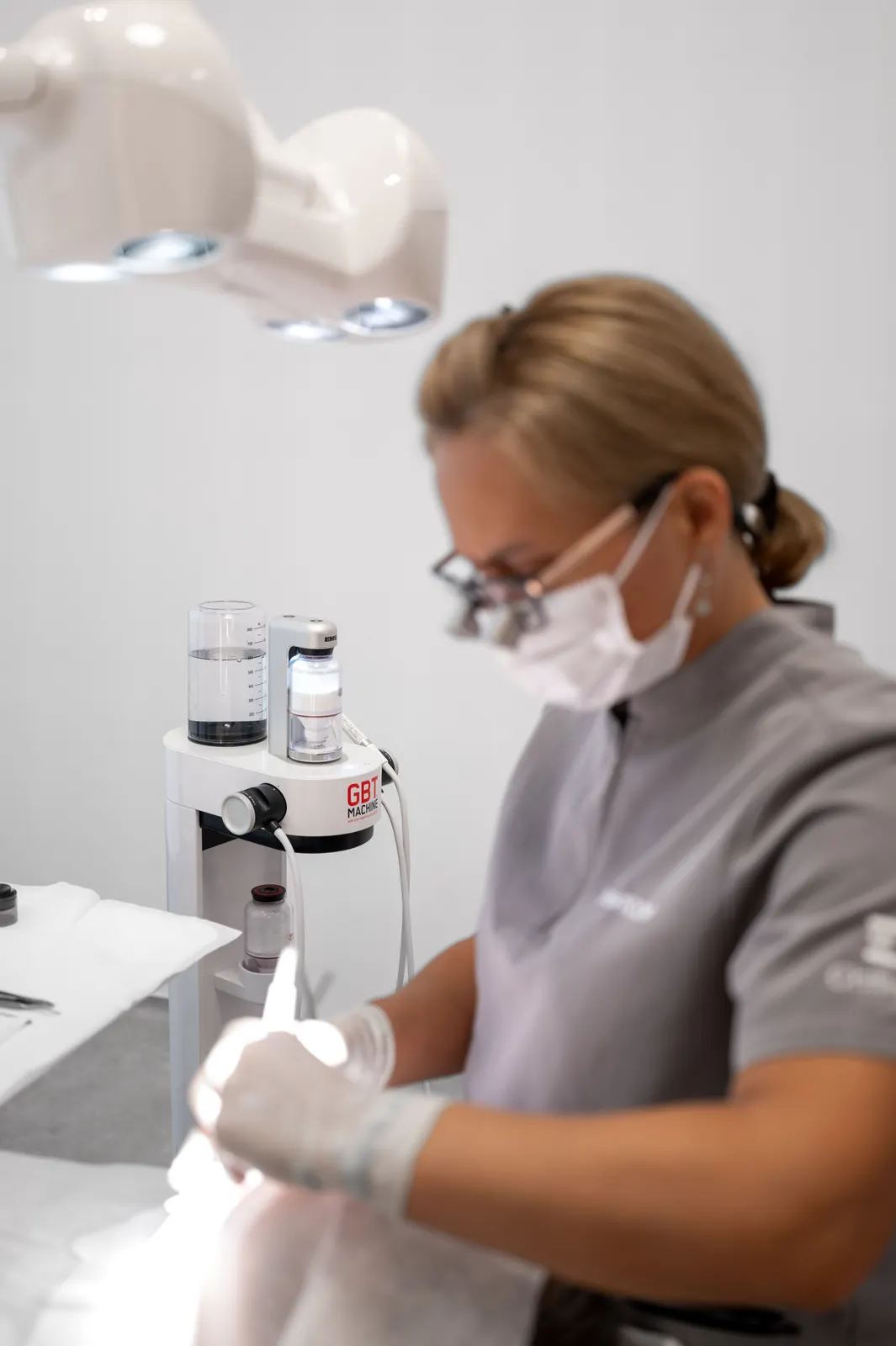
Gentle cleaning, with gum care when needed
A dye shows the biofilm (the bacterial film on teeth), which is removed with warm water, air and a fine powder, with ultrasonic instruments only where tartar remains (a method called Guided Biofilm Therapy). If your gums need it, the visit becomes a periodontal hygiene session, with cleaning below the gum.

02 / 04
Scans and documentation
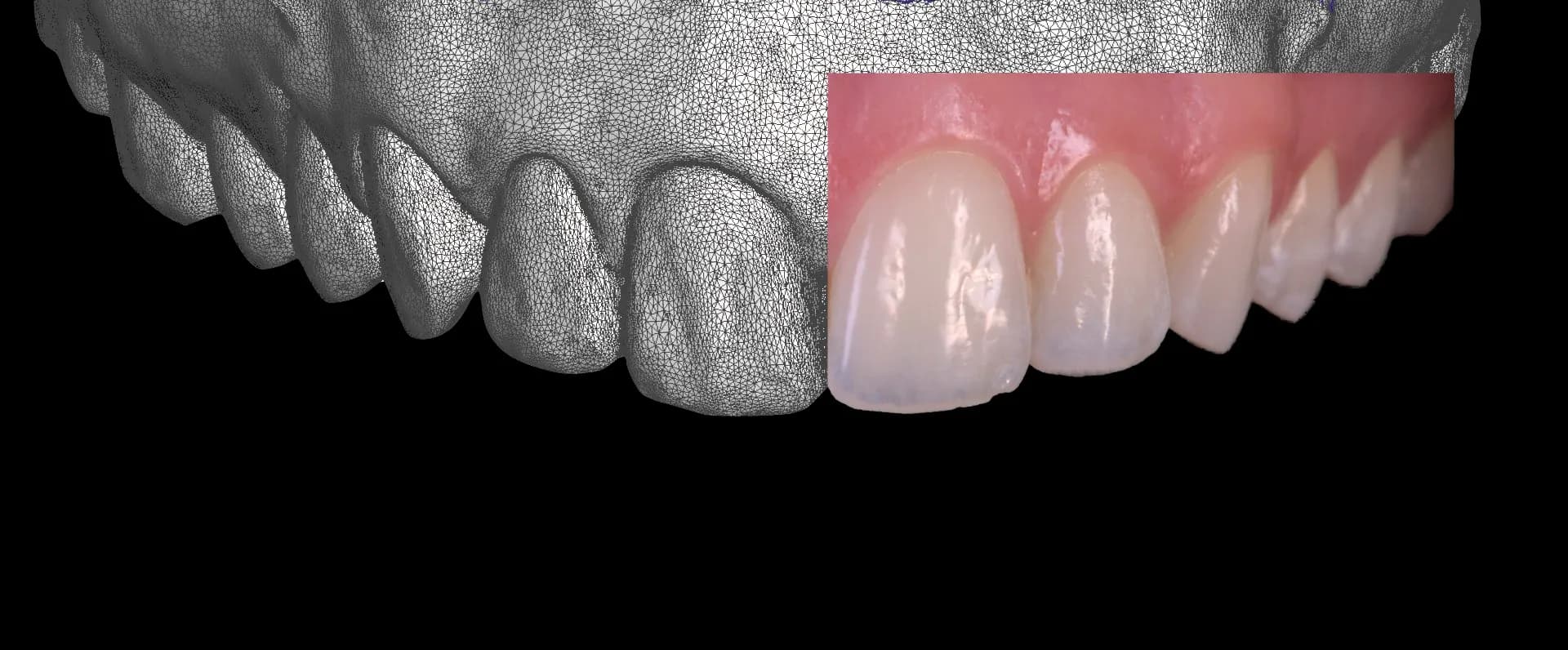
At set intervals we take photos and a 3D scan, with X-rays only when clinically needed. They record the shape of your natural teeth and of your restorations, so if a tooth breaks or a crown needs renewing, we can rebuild its design from the record.
03 / 04
Early problems caught small
Comparing each scan with the last one shows wear, gum recession, small chips and cracks early, while they are still small and simple to treat.
04 / 04
Your work polished, your routine updated
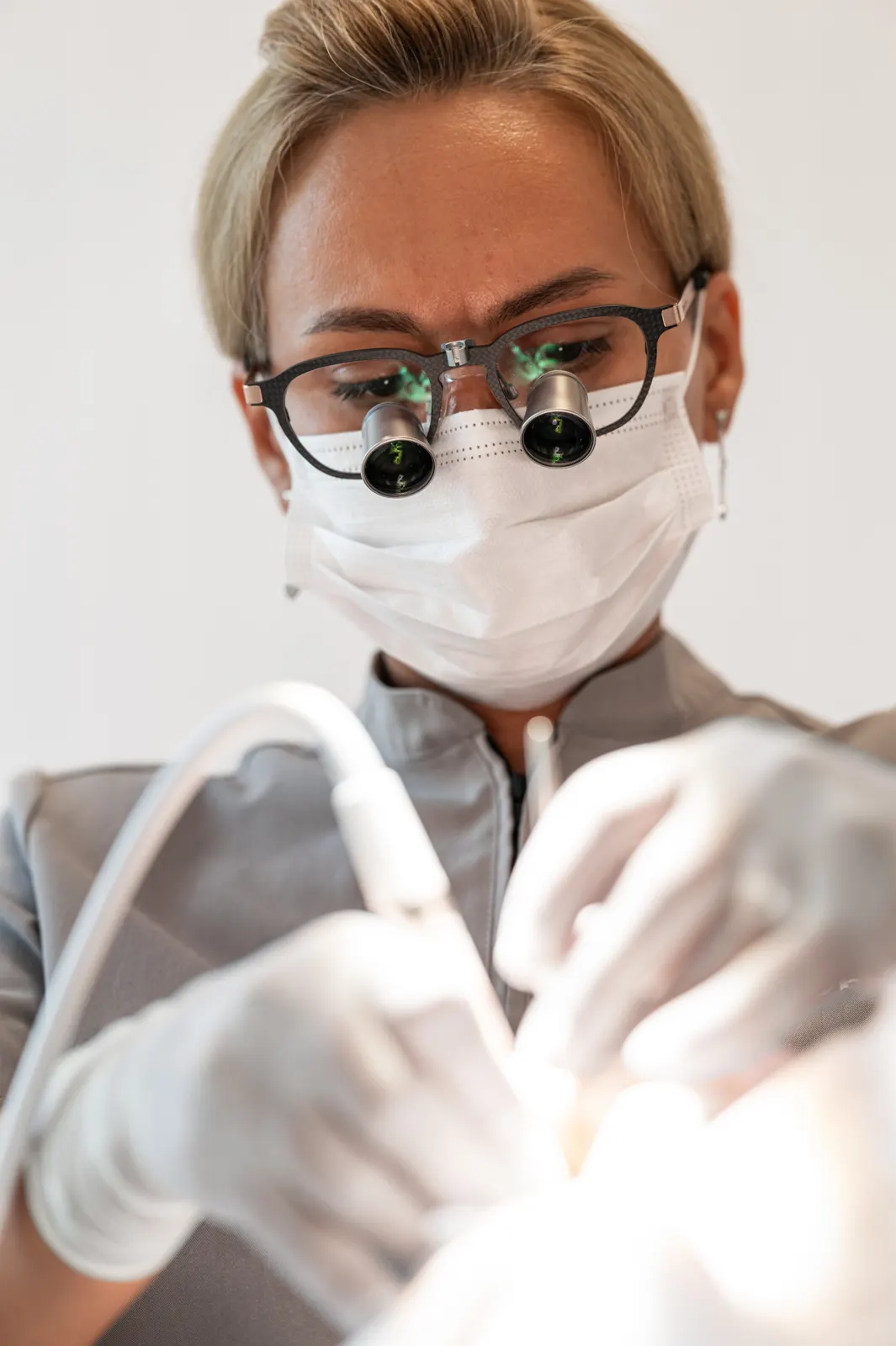
Crowns, veneers, implants, retainers and splints are cleaned and polished with instruments chosen for each material, so their finish is kept. A worn edge or a loose contact is adjusted before it becomes a bigger repair. At every visit the hygienist also updates your home routine as your mouth and your work change: brushing technique, interdental brushes or a water flosser.
The hygiene team
Your visits are with our hygienists, who work with your dentist from the same records and the same design.





Join the long-term care programme
Joining is free, with no subscription: you pay only for each visit. Leave your details and how you'd like us to reach you. A hygienist will contact you to book your first visit, then remind you when the next one is due.
Risks and limitations
Every treatment has possible side effects. Here is what you should know before deciding. We go through your own risks at the consultation.
Possible risks and side effects
- Temporary sensitivity or minor bleeding if gums are inflamed
This is general information; your diagnosis comes from an examination. Your doctor will explain the risks that apply to you before you agree to any treatment.
What it costs
| Professional hygienePlaque made visible and removed with water, air and fine powder; ultrasonic scaling where needed | €100 |
| Periodontal hygiene sessionBelow-the-gum cleaning and tailored periodontal maintenance | €90 – €300 |
Prices are indicative, in euro. Your exact plan and price are confirmed after diagnosis, before any treatment starts.
Long-term care: frequently asked questions
How does the programme work?+
Sign up with your contact details and preferences. A hygienist calls or writes to set your first visit, then reminds you when the next one is due.
Does the programme cost anything?+
No. There is no fee and no subscription: you pay only for each visit, at the hygiene prices shown on this page.
What if I have problems to solve first?+
That's common. At the first visit we check what needs treatment, solve it first, then continue with regular maintenance.
How often will I come in?+
Usually every 3–6 months: every 3–4 months after gum disease or with implants, every 4–6 months otherwise. We adjust the rhythm as your risk changes.
Can I join if I was treated elsewhere?+
Yes. The first visit includes a check-up and the baseline scans and photos, so we can follow your teeth and restorations from then on.
Do restorations need to be replaced regularly?+
Not on a fixed schedule. With good care and regular check-ups, ceramic restorations typically last 10–15 years. We maintain what works, and when a restoration needs renewing, we remake it from your saved design.
Can you clean around implants and veneers safely?+
Yes. We use instruments and techniques suited to each type of restoration, and adapt every session to what you have.
Start with a consultation
A dentist looks at your teeth and gums, listens to what you want and explains your options. You get a plan and a total price before any treatment starts.
Questions? Write to us