Veneers
Medically reviewed by Dr. Florin Cofar · last reviewed 17 October 2026

A new smile, designed for one face
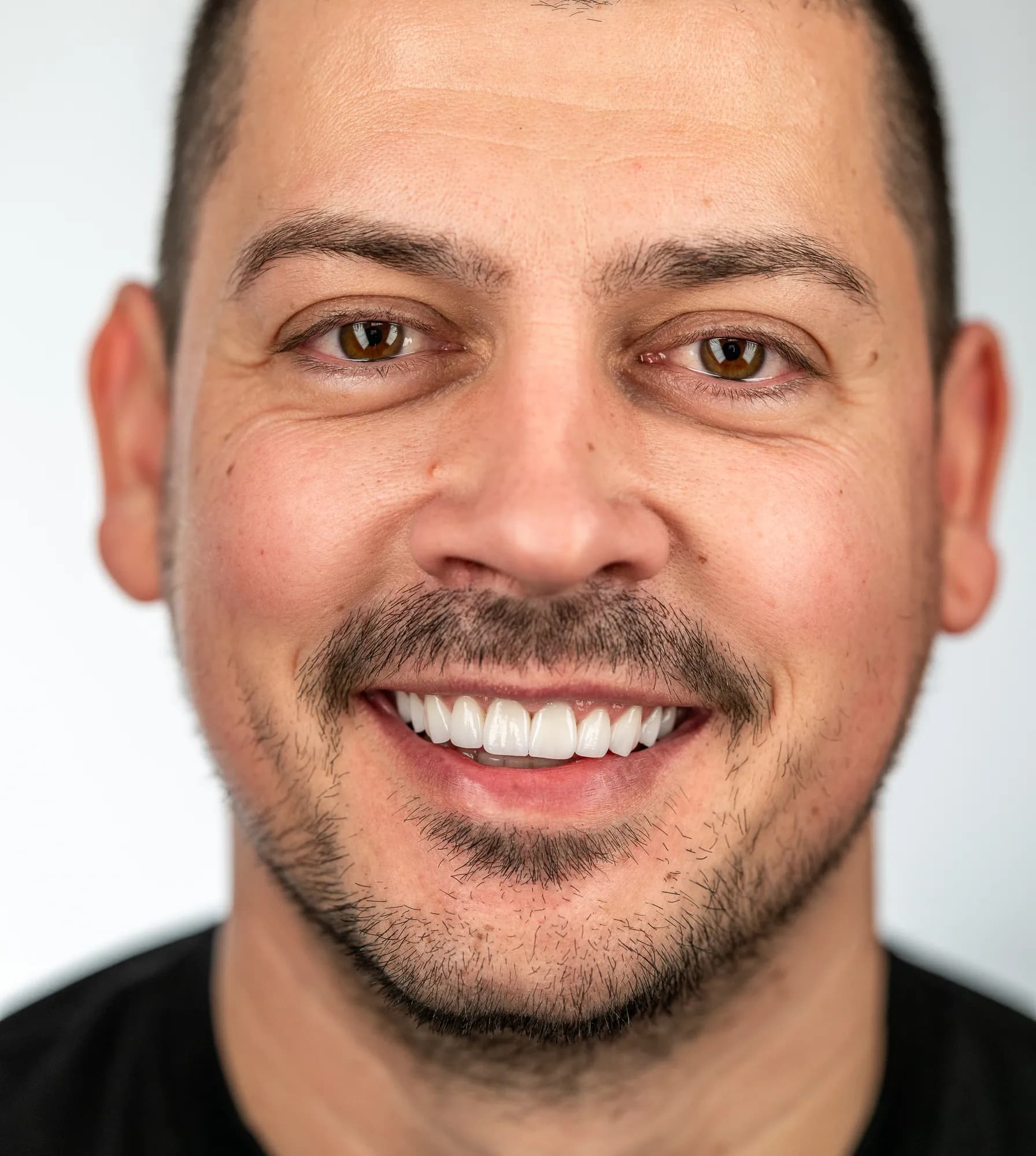
Veneers are thin layers of ceramic bonded to the front of the teeth. They can change shape, colour and proportion, and here they are always part of one design for your whole smile, made to suit your face. Most need little or no preparation of your own teeth, and gums and teeth are brought to health first. This page follows one patient's treatment, from the first design to the finished smile.


 Treated byDr. Florin Cofar + 2 more
01 / 04
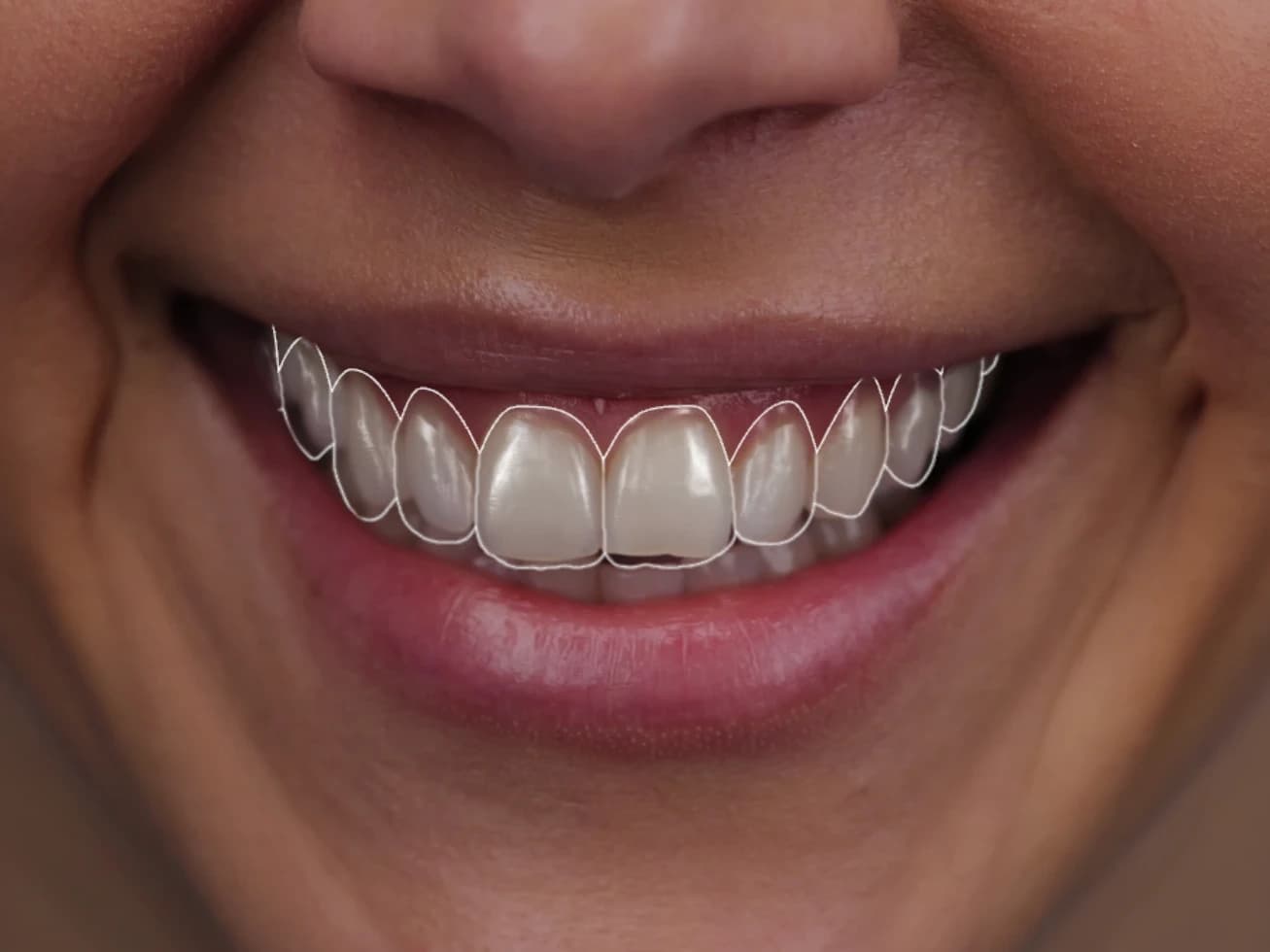
Planned before anything starts
We scan your teeth and face and design the new smile in 3D, on your own face, at rest and smiling (smile design). You see the design before treatment, and in additive cases you can test it as a mock-up on your teeth. Every later step is made from this design.
02 / 04
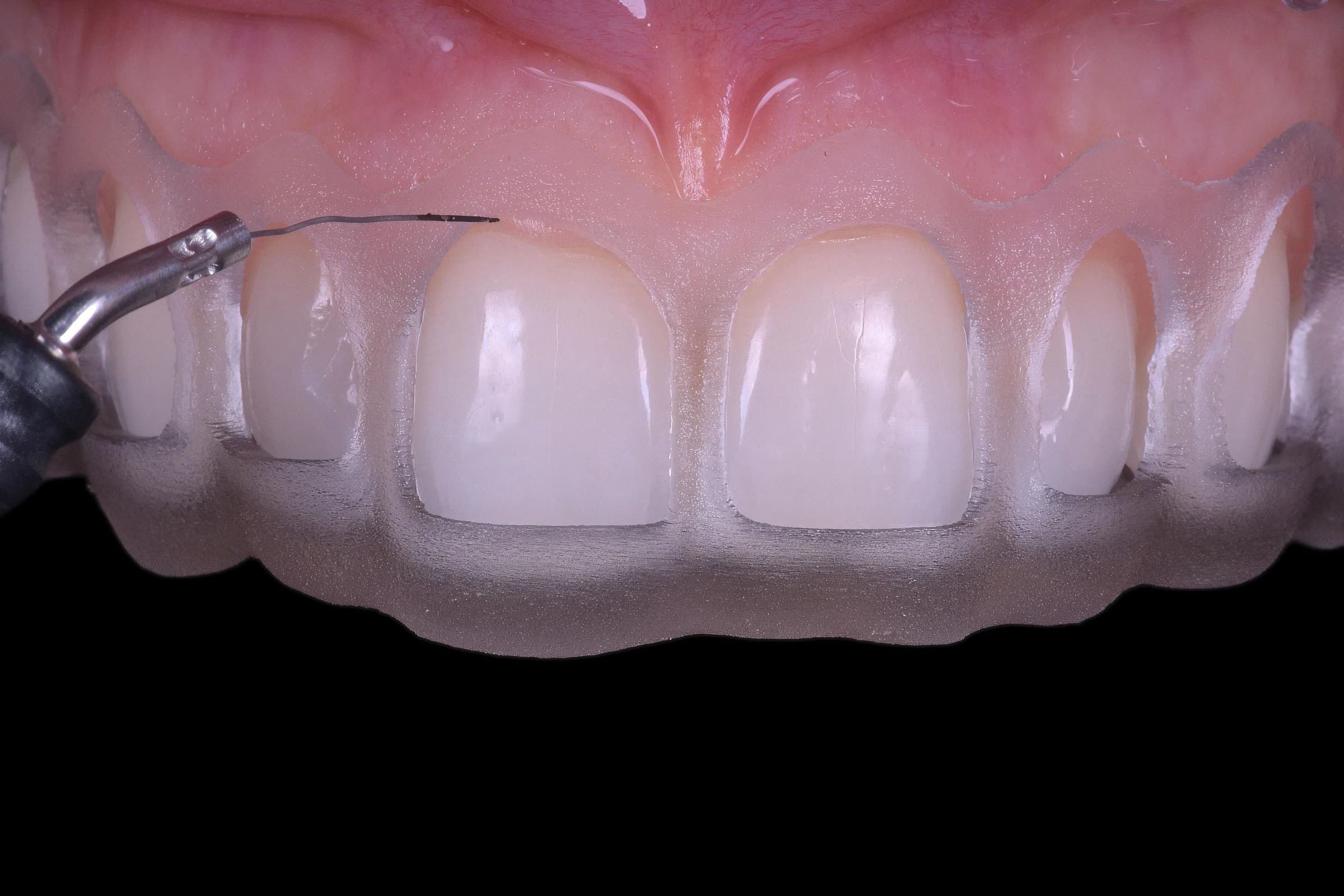
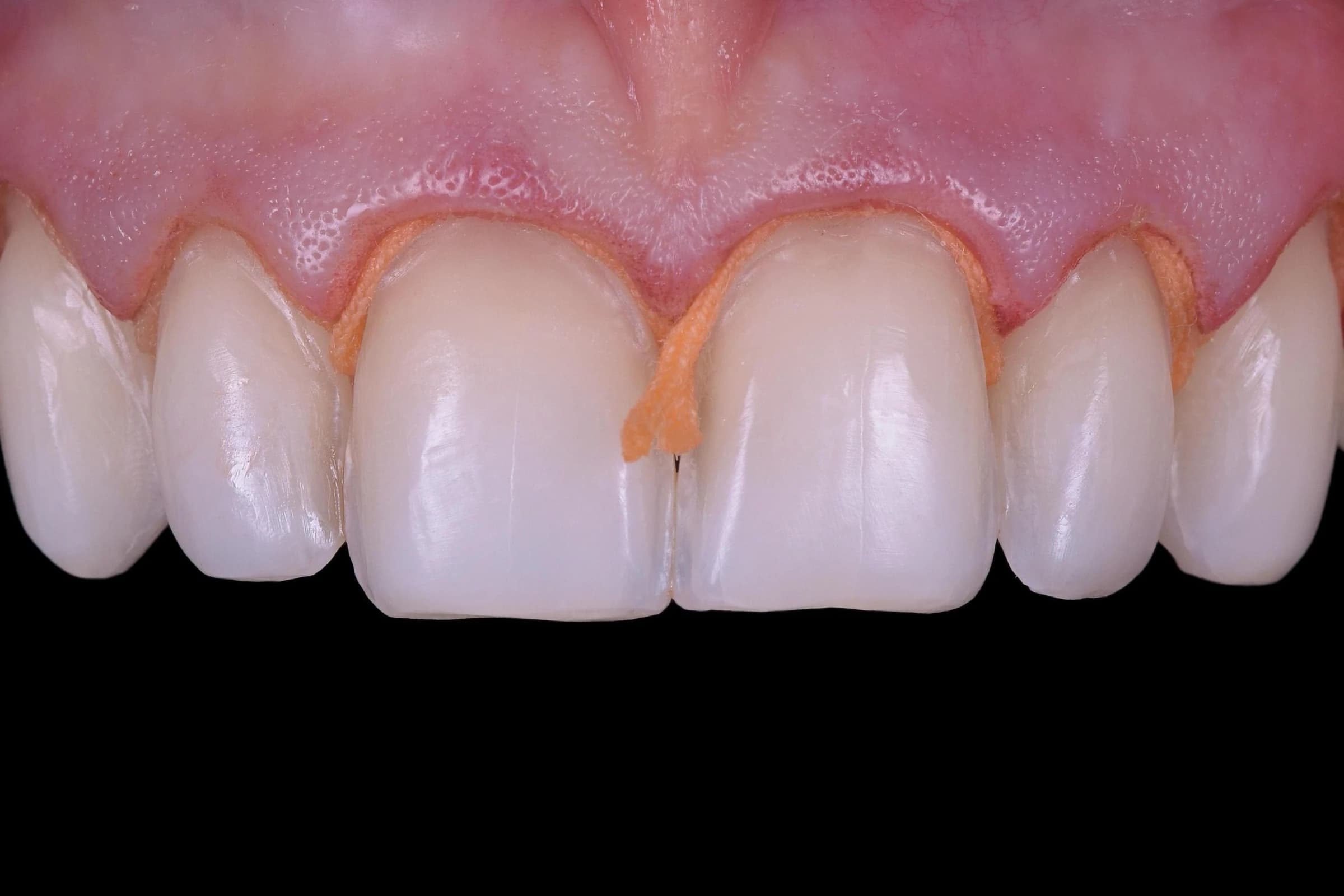
Gum line shaped with a guide
When the design calls for a more balanced gum line, we reshape it through a guide made from the design, so it ends up close to the plan. It is done in the same session as the preparation, so you heal once and need fewer visits.
03 / 04
Minimal preparation, guided by the final design
The final design shows where a tooth needs space and where it doesn't. Guides made from it let us remove only that, usually fractions of a millimetre, and often nothing where the design adds volume. How much natural tooth we keep is decided in the design, before treatment starts, because a veneer bonds strongly and lastingly to healthy enamel. How veneers are prepared
04 / 04
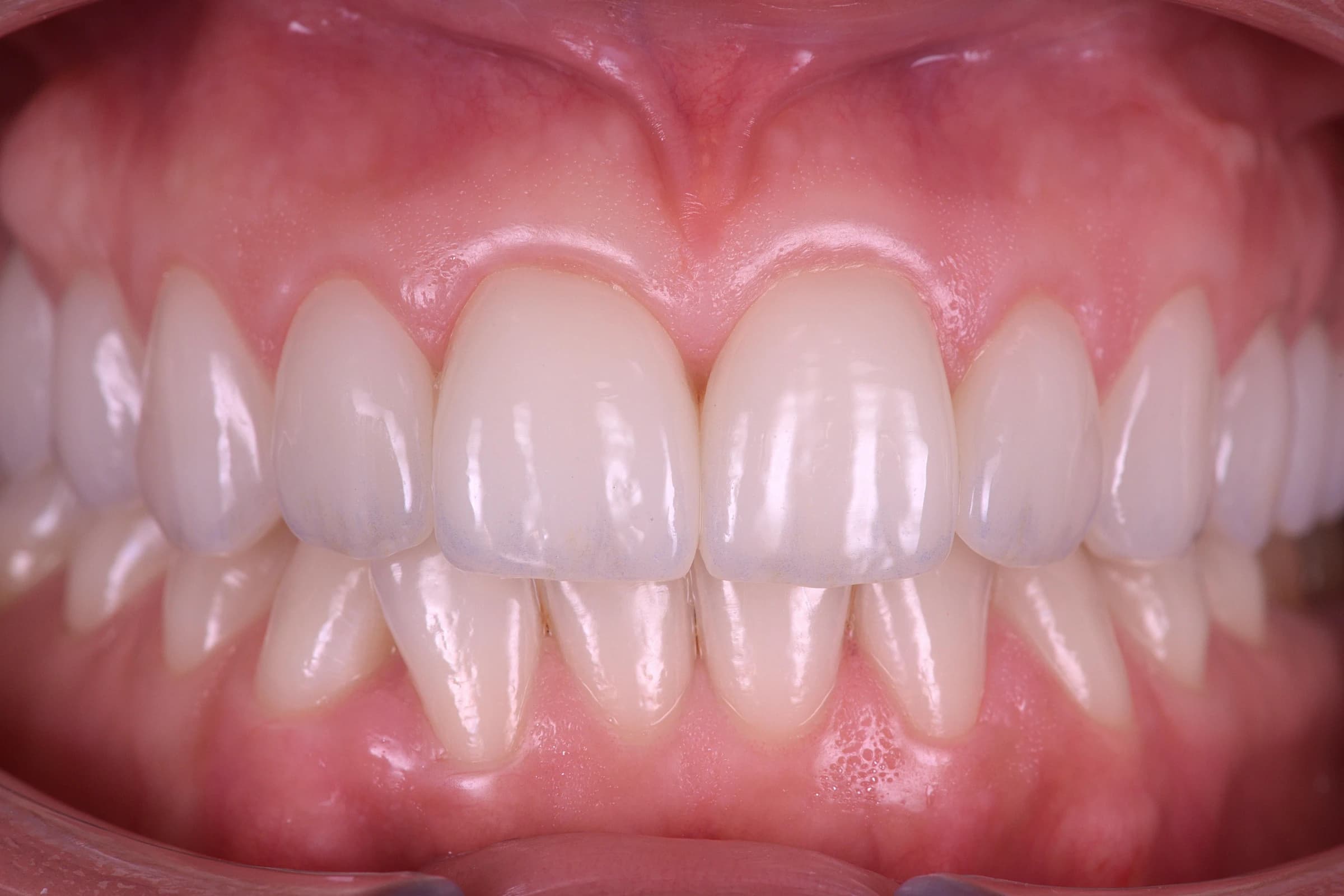
Try-in, then bonding
You try the veneers in natural light, smiling, speaking and in profile, and tell us what you notice. We bond them once shape and colour feel right to you. It usually takes two to four visits over a few weeks. How veneers are bonded
Designed with character
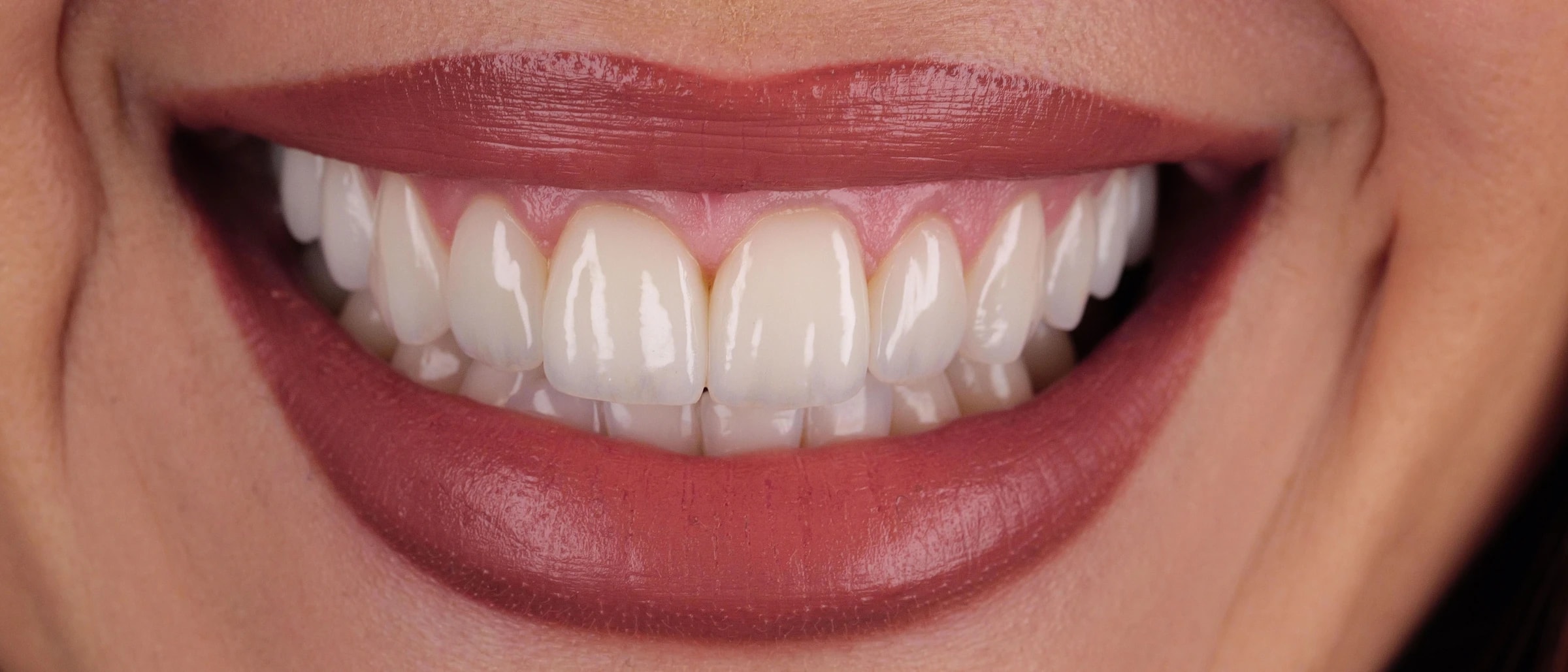
We never make the same design twice. A beautiful smile is rarely a symmetrical one: character lives in the details. We design by hand and by eye, keeping what makes your smile yours, then bring it into harmony with your face. The temporaries you wear and the final veneers are made from the same design, so the veneers carry what you tried and approved.
Risks and limitations
Every treatment has possible side effects. Here is what you should know before deciding — we go through your own risks at the consultation.
Possible risks and side effects
- Temporary sensitivity to hot and cold after preparation
- Chipping or debonding, especially with grinding or nail biting — a night guard helps
- A prepared tooth will always need its veneer, so veneers are renewed one day
- Colour cannot be changed later by whitening
When it may not be suitable, or needs extra care
- Active gum disease or decay (treated first)
- Severe grinding without a protective plan
- Teeth with very little healthy enamel left
This is general information; your diagnosis comes from an examination. Your doctor will explain the risks that apply to you before you agree to any treatment.
After treatment: long-term care
Finishing treatment is only half the job. We set a check-up and hygiene rhythm for your case — usually every 3–6 months: every 3–4 months after gum disease or with implants, every 4–6 months otherwise — track changes over time, and keep your saved design for the years ahead.
About long-term care →What it costs
| Ceramic unit (veneer or crown)Digitally designed, monolithic milled, finished by hand in our lab. Typical longevity 10–15 years | €650 – €900per unit |
| Hybrid unit3D-printed ceramic-loaded resin. For transitional cases, or as a final option on a limited budget. Typical longevity 2–5 years | €300per unit |
| Integrated planning & design3D smile design with functional planning, explained through video, including biological and esthetic rationale | €150 |
| Complete diagnosisCBCT, facial and intraoral scans, HD photographs — compiled into a full digital patient record | €150 |
Pay in installments · About TBI Bank financing ↗
Prices are indicative, in euro. Your exact plan and price are confirmed after diagnosis, before any treatment starts.
Veneers: frequently asked questions
What are veneers?+
Thin ceramic shells bonded to the front of the teeth. They change shape, colour, small gaps and proportions.
Are veneers permanent?+
They are long-term. Ceramic veneers typically last 10–15 years. A tooth that was prepared will always need its veneer, so the veneer will be renewed one day. Grinding, biting hard objects and poor hygiene shorten its life.
Do veneers damage natural teeth?+
They can, if too much enamel is removed. That's why we design first. Most veneers need little or no preparation of your teeth. Where preparation is needed, it is usually very thin and planned in the design.
Will they look natural?+
That is what the design and the mock-up are for. You see and approve the shape and colour before anything is bonded.
Can I whiten veneers later?+
No. Ceramic keeps its colour. If you want whiter natural teeth, we whiten them before the veneers are made, so the shades match.
What if one veneer breaks?+
We keep your saved design, so a single veneer can be remade to match, without redesigning the whole smile.
How much do veneers cost?+
A ceramic veneer costs €650 – €900 per tooth and typically lasts 10–15 years. A 3D smile design costs €150. The total depends on how many teeth are included. A hybrid veneer (€300) or installments can lower the cost — see the breakdown.
When are no-prep veneers possible?+
When the teeth are well positioned and the design adds volume or length. When teeth need reshaping or are strongly discoloured, a minimal preparation usually gives a better, longer-lasting result.